Are Beef Liver Capsules Worth It? An Honest Answer
The most-searched question about organ supplements deserves a straight answer: what capsules actually contain, how they compare to real liver, and the two nutrients to watch.
Affiliate disclosure: We may earn a commission if you purchase through links in this article. This helps support Primal Journal. Learn more
What's actually in the capsule
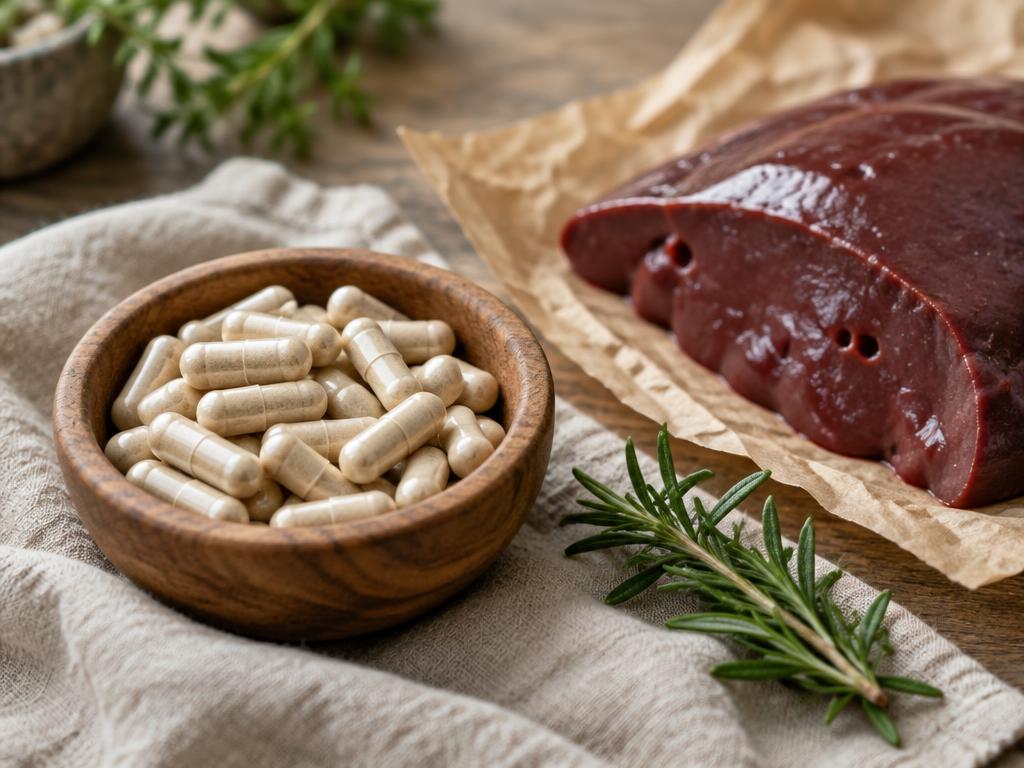
A beef liver capsule is exactly one thing: liver from a cow, dried and ground into powder. Done well, that means freeze-dried at low temperature so the heat-sensitive vitamins survive, with nothing added and nothing removed. Done badly, it means heat-processed, defatted powder with flow agents — a product that costs the same and delivers a fraction of the nutrition.
This is why the question 'are liver capsules worth it' has two different answers. For a carefully dried, minimally processed product with clearly stated sourcing, the capsule is a concentrated form of one of the most nutrient-dense foods that exists. For a cheap heat-processed one, you are mostly buying expensive filler. The label details matter more than the price tag.
Capsules vs. a plate of liver
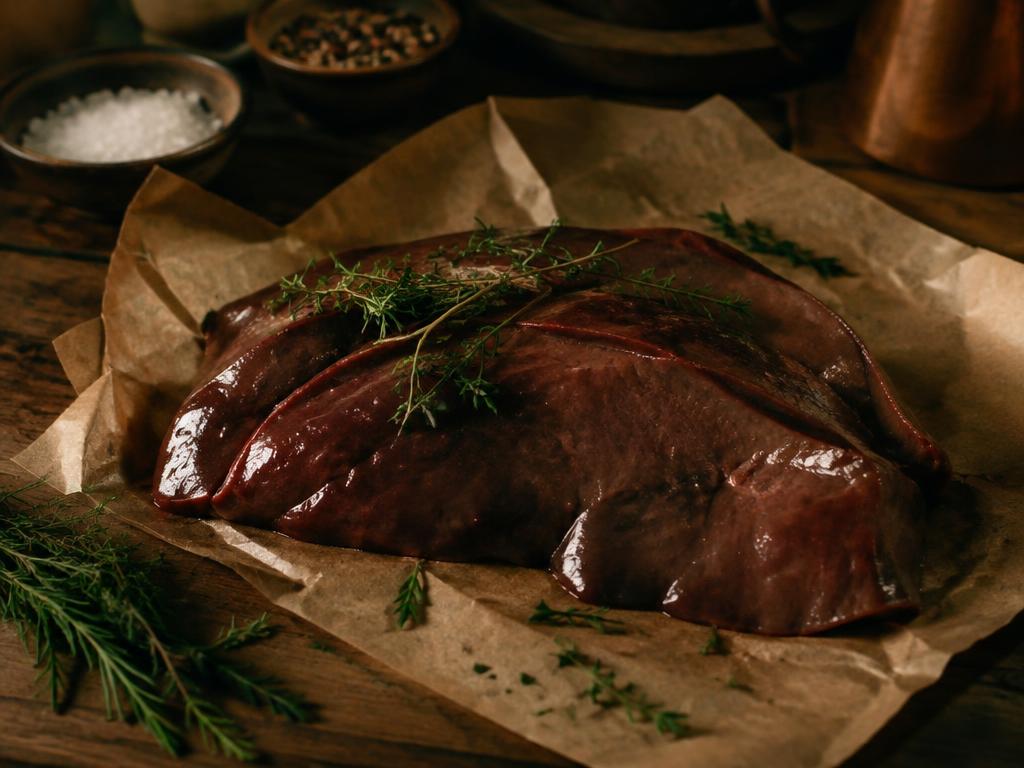
Fresh liver wins on paper. It is cheaper per gram of nutrition, it arrives with its full fat content, and it is a whole food your grandmother would recognise. If you happily eat liver once or twice a week, you do not need a supplement, and no honest article should tell you otherwise.
The capsule exists for everyone else — the majority who know liver is nutritious and still won't cook it. Taste, texture, sourcing a good animal, and the simple friction of preparation stop most people. Six capsules a day is a compromise, but it is a compromise people actually keep. A supplement you take beats a superfood you avoid.
The honest comparison is not capsules versus liver. It is capsules versus nothing.
What the nutrients do
Liver's reputation rests on a short list of nutrients it carries in unusual concentration. Vitamin B12, essential for red blood cells and nerve function, at levels muscle meat cannot approach. Heme iron, the form your body absorbs several times more easily than the iron in plants or pills. Preformed vitamin A, folate, riboflavin, copper and choline — a spectrum that no synthetic multivitamin reproduces in food form.
If you are genuinely low in B12 or iron, correcting that gap — with food, a supplement or treatment your doctor recommends — is what matters. If your diet already covers those bases, a liver supplement is unlikely to make a noticeable difference. A blood test is the only way to know which group you are in.
The two things to watch: vitamin A and iron
Liver is concentrated, which is the point — and the caution. Vitamin A is fat-soluble, so your body stores rather than excretes it. A normal daily serving of capsules sits comfortably within safe limits for most adults, but liver capsules plus a high-dose vitamin A supplement, or capsules on top of eating liver several times a week, can quietly stack up. Pregnant women should be especially careful with preformed vitamin A and should talk to their doctor first.
Iron is the second watch-out, for the opposite reason: some people need less of it, not more. Men and postmenopausal women rarely run low, and people with haemochromatosis — a surprisingly common tendency to store too much iron — should not add a concentrated heme-iron source without testing. A basic blood panel tells you where you stand before you start.
Neither of these is an argument against liver capsules. They are an argument for knowing your own numbers, which is good practice before any concentrated supplement.
What to look for before you buy
The difference between a worthwhile product and a waste of money is printed on the label, if you know where to look:
- Freeze-dried — never heat-processed or spray-dried, so the delicate vitamins survive
- Not defatted — vitamin A and other fat-soluble nutrients need the fat to be absorbed
- Clearly stated grass-fed or organic sourcing — and if certified organic is claimed, a certificate that is current, not expired
- Published laboratory results, rather than only a promise of testing
- Nothing else — no fillers, flow agents or additives
So, are they worth it?
If you eat liver regularly, no — keep doing that. If you don't, and your diet is light on organ meats, a well-made liver capsule is one of the few supplements that replaces a real, whole food rather than an invented need. It is not the cheapest way to get these nutrients, but it is the way most people will actually follow.
Use the five checks above when comparing products, and check with your doctor first if you take other supplements containing vitamin A or iron. The products we feature below are Nutriest products: Nutriest describes the cattle used for its liver powder and organ complex as grass-fed and lists them as organic. We have not independently verified current organic certification, the drying method or laboratory testing for these products, so check the product page before you buy.
Products mentioned
Related products from Nutriest. Descriptions are based on the manufacturer's own statements.
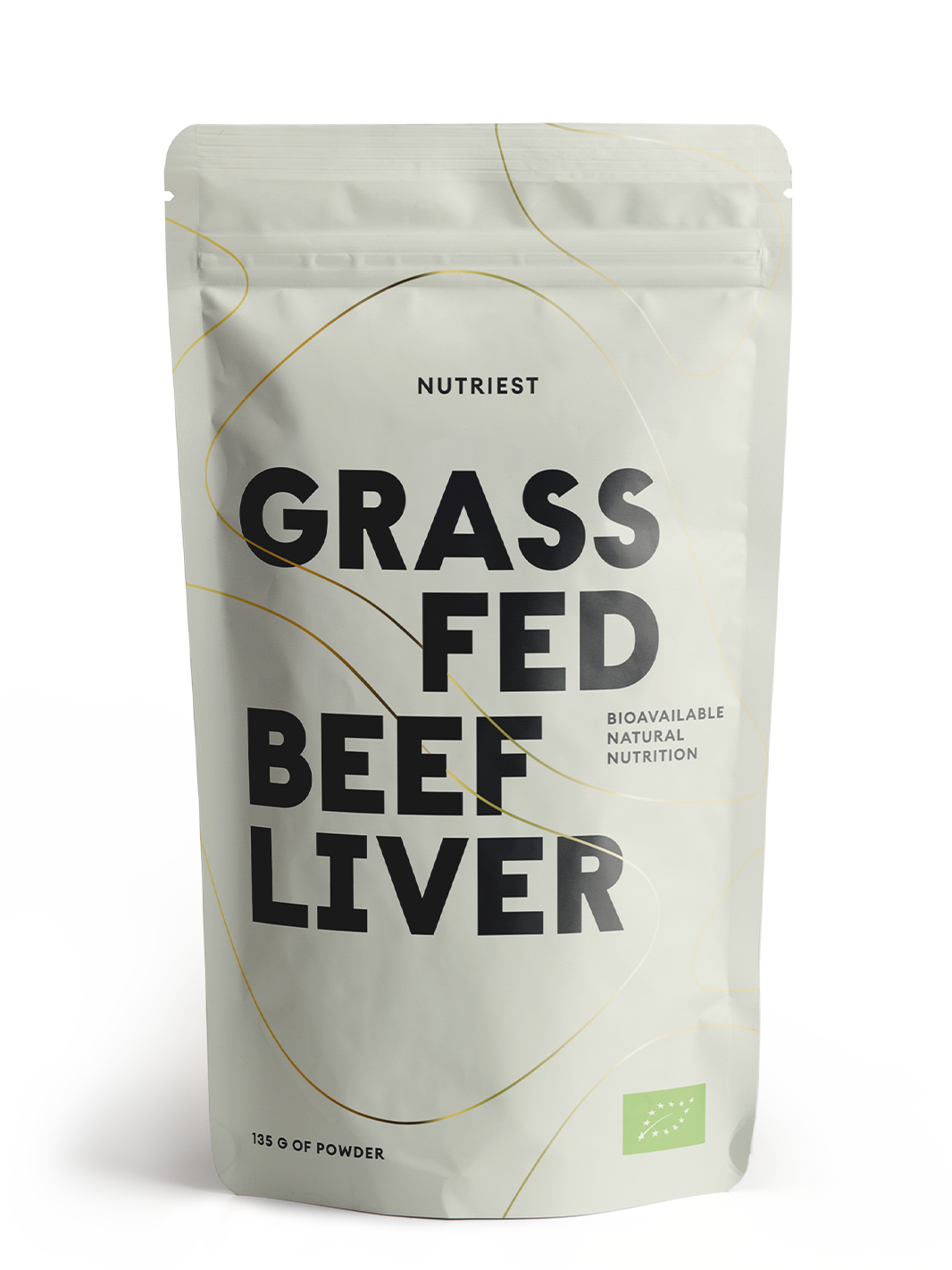
Organic Grass Fed Desiccated Beef Liver Powder
Desiccated beef liver in powder form. Nutriest describes the cattle as grass-fed; according to Nutriest, it is made using organically sourced ingredients.
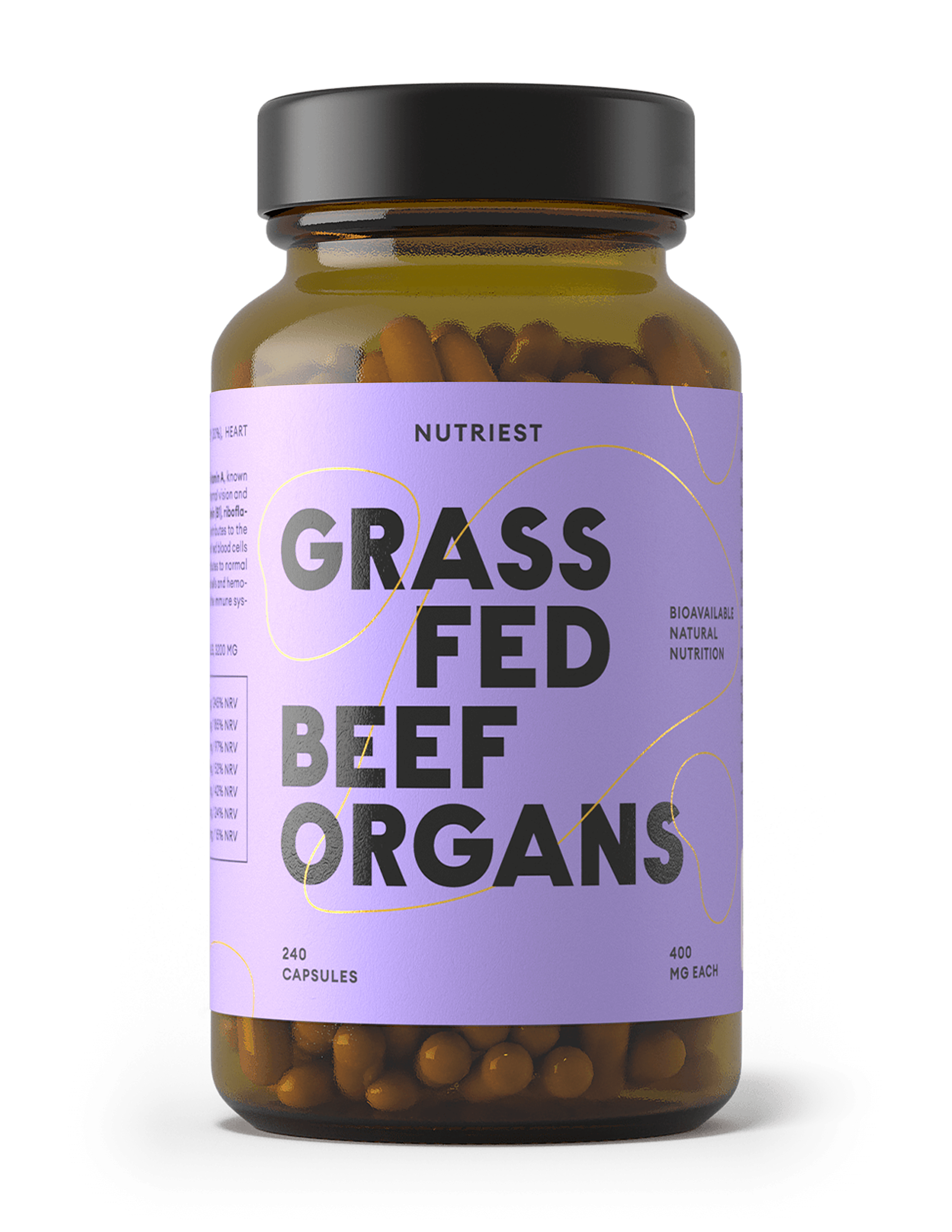
Grass Fed Desiccated Beef Organ Complex Supplement
A blend of desiccated beef organs. Nutriest describes the cattle as grass-fed; according to Nutriest, it is made using organically sourced ingredients.
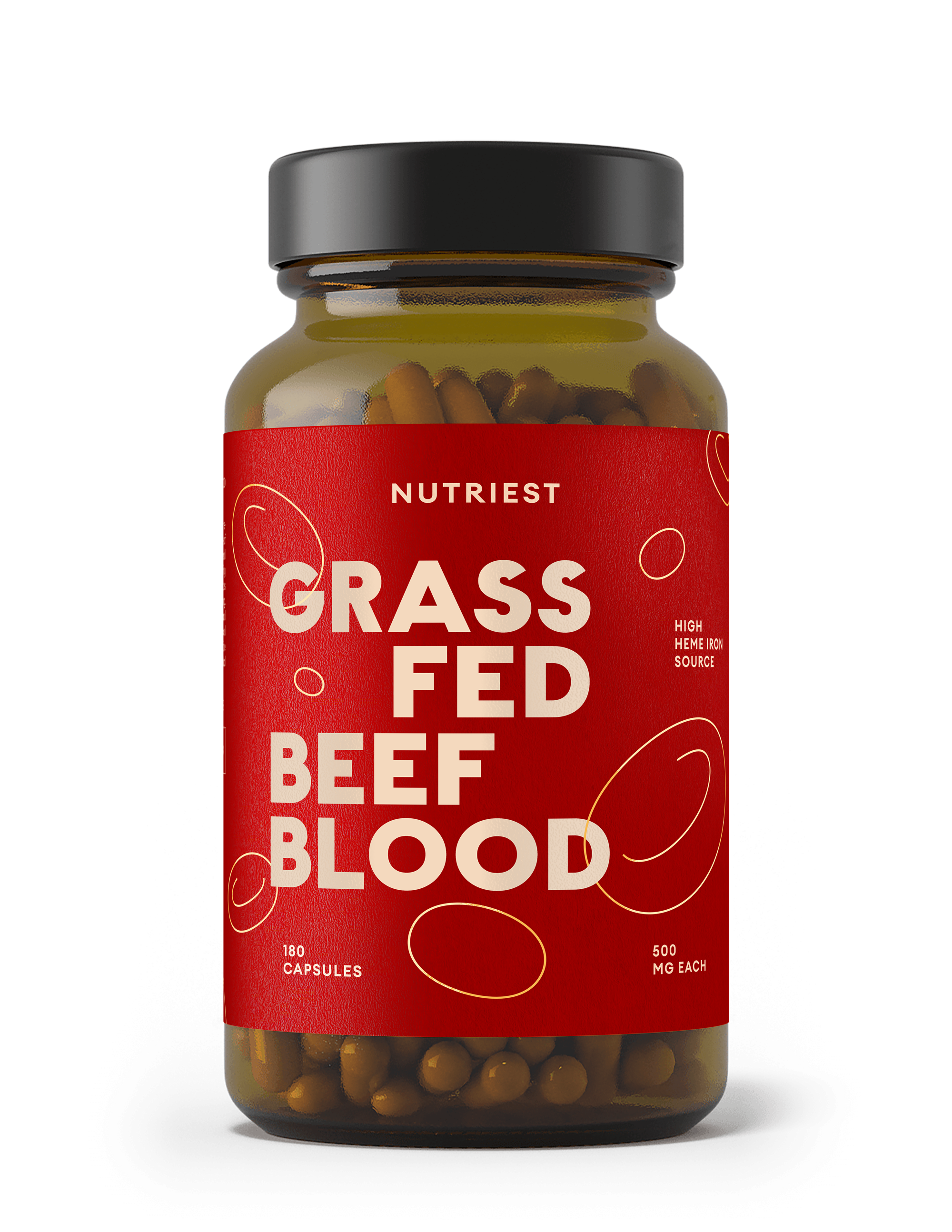
Grass Fed Desiccated Beef Blood Supplement
Desiccated bovine blood supplement. Nutriest describes the cattle as grass-fed.
Get new articles by email
Occasional emails when a new article is published. No spam, unsubscribe any time.
Thinking about trying one?
Compare the products we feature and read what the manufacturer states about each. Check with your doctor first if you are pregnant, take medication or have a health condition.
View products