Collagen: What It Actually Does, and What the Labels Won't Tell You
Your body starts making less collagen in your late twenties. Here's what the research says about putting it back — and why the powder is only half the story.
Affiliate disclosure: We may earn a commission if you purchase through links in this article. This helps support Primal Journal. Learn more
The scaffold you can't see
Collagen is the most abundant protein in the human body — roughly a third of all the protein you carry. It is the scaffold: the tensile strength in your skin, the shock absorber in your cartilage, the rope in your tendons and ligaments, the frame your bones mineralise onto. Without it, everything else has nothing to hold its shape.
What makes collagen unusual is its amino acid profile. It is built overwhelmingly from glycine, proline and hydroxyproline — a combination your muscles barely use and your kitchen rarely supplies. Modern plates are heavy on muscle meat and light on the connective tissue collagen comes from, which means most people eat plenty of protein and still fall short of the specific building blocks collagen needs.
Your own production peaks in the mid-twenties and then declines — measurably, by around one to one and a half percent a year. The visible version of that curve is skin that holds less water and springs back more slowly. The invisible version is joints that creak, tendons that warm up slower, and wounds that take longer to close.
Why eating collagen isn't the same as rebuilding it
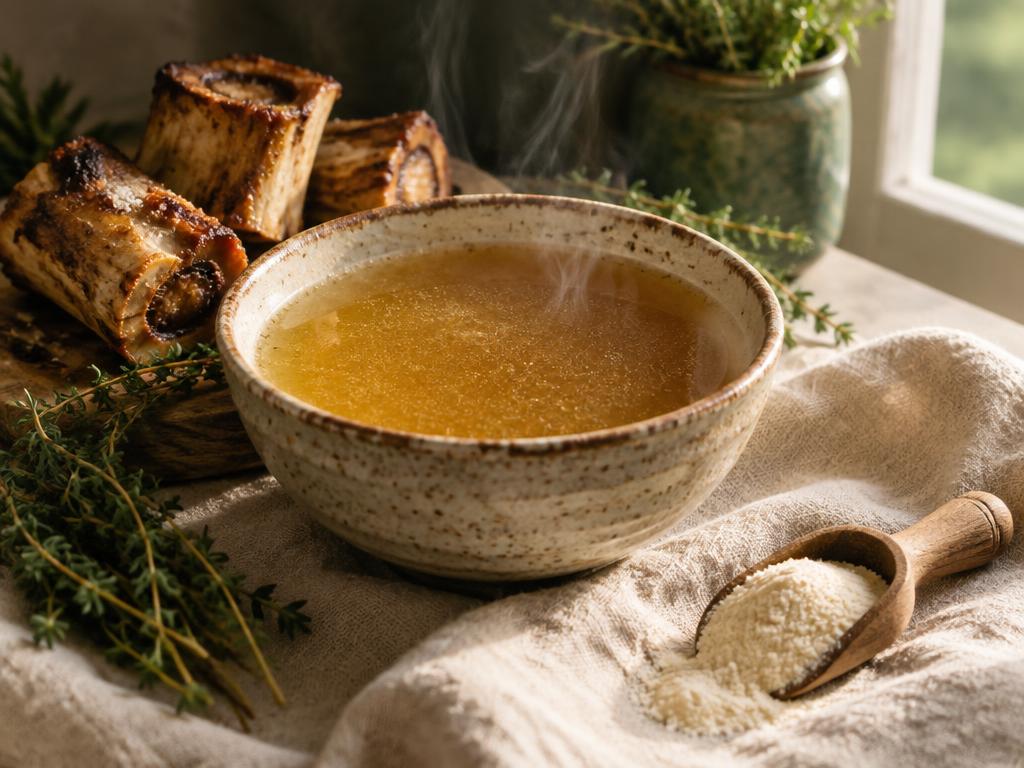
Bone broth, skin, trotters and cartilage are genuinely collagen-rich foods, but digestion doesn't respect the label. Any protein you eat is broken into peptides and amino acids before it reaches your bloodstream, and your body then decides where to send them. There is no direct route from a bowl of broth to a patch of crepey skin.
That is the honest version of the collagen argument, and it is also where the useful part begins. Hydrolysed collagen peptides are pre-split into fragments small enough to be absorbed quickly, and a portion of them — notably prolyl-hydroxyproline and hydroxyprolyl-glycine — survive digestion intact and appear in blood within hours. Those dipeptides don't simply become raw material; they seem to act as signals that tell the fibroblasts in skin and cartilage to start producing more matrix.
So the powder is not magic, and it is not nothing. It is a targeted supply of the exact peptides your own collagen factories are short on, at a time when your body is making fewer of them on its own.
What the trials actually found
The strongest evidence is for skin. Randomised trials of hydrolysed collagen peptides, typically 5 to 15 grams daily, report improvements in skin elasticity, hydration and collagen density over eight to twelve weeks, with the effect persisting for some months after people stop. The changes are real but modest — the kind a camera and a caliper detect before a mirror does.
Joint and tendon evidence is encouraging but thinner. Studies in runners and in active adults with knee discomfort found less pain during activity and faster recovery when collagen was taken with vitamin C before loading. Bone-density markers in postmenopausal women moved in the right direction over a year. Nail growth and gut symptoms rest mostly on small or open-label studies.
Two caveats deserve to be said out loud. A meaningful share of the trials are funded by the ingredient manufacturers, which doesn't make the results false but does make them optimistic. And nothing in this literature works in two weeks — collagen turnover is slow, and any brand promising visible results in a fortnight is selling patience, not peptides.
The cofactors matter more than the dose
Collagen synthesis is vitamin C dependent. The enzymes that stabilise the collagen triple helix require ascorbate, and without it the protein your body makes is structurally weak — that is literally what scurvy is. Taking peptides without enough vitamin C the same day is like delivering timber to a site with no carpenters. A serving of berries, citrus, peppers or a squeeze of lemon in the broth covers it.
Glycine, the amino acid collagen is richest in, also acts as an inhibitory neurotransmitter, and people who take gelatin or collagen before bed often report sleeping more easily. That matters, because tissue repair and growth hormone are front-loaded in deep sleep. Copper, zinc, iron and manganese are each required at some step of the assembly line, and all of them are more concentrated in organ meat and bone than in any tub.
The other half of the equation is what breaks collagen down. Excess glucose binds to collagen fibres and cross-links them stiff and brittle — a process called glycation, accelerated by UV exposure and smoking. No amount of powder outpaces a diet and sun habit that keep dismantling the scaffold faster than it can be rebuilt.
How our ancestors got enough
Nose-to-tail eating was never a philosophy; it was arithmetic. A whole animal is roughly a third skin, bone, tendon, cartilage and connective tissue, and a group that used all of it consumed collagen at every meal without ever naming it. Broth simmered for a full day, feet and heads and knuckles, marrow scraped out, skin fried crisp — that is a collagen-supplemented diet in ancestral dress.
The modern supermarket quietly reversed that. We buy the lean cuts, throw away the bones, and then buy the collagen back in a tub. That isn't an argument against the tub — it's an argument for treating it as what it is: a convenient patch on a diet that dropped something essential.
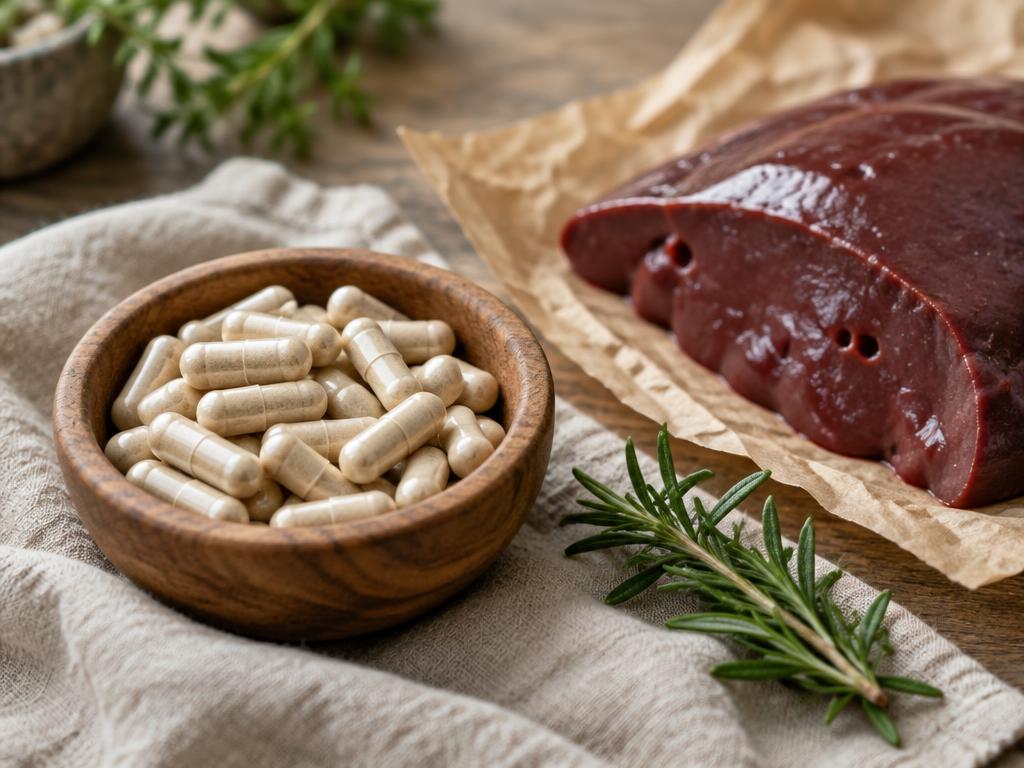
If you cook, a daily pot of broth is the cheapest and most complete version of this, and it brings minerals and glycine along with it. If you don't, a scoop of unflavoured peptides in coffee, oats or soup is a fair trade. The products we feature include both a marine collagen peptides powder and a bone and marrow supplement, which is the same connective-tissue story with the minerals left in.
A reasonable expectation
Give it twelve weeks, take it with vitamin C, and keep your overall protein intake high enough that your body isn't spending glycine elsewhere. Then judge it the way the studies do: how your skin feels in the morning, how your knees feel on stairs, how long a hard session takes to clear. That is what collagen can actually do — not reverse time, but give the scaffold the materials it stopped getting.
Products mentioned
Related products from Nutriest. Descriptions are based on the manufacturer's own statements.
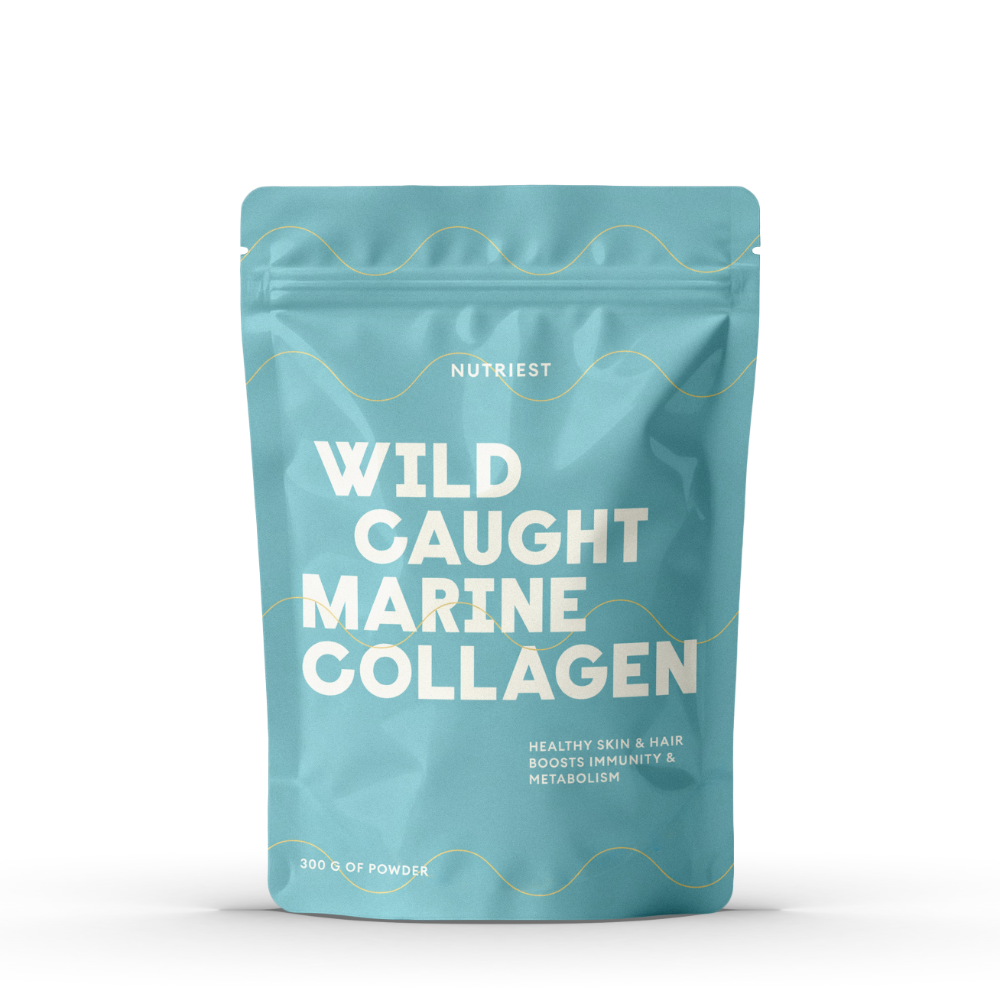
Wild Caught Marine Collagen Peptides
Marine fish collagen peptides, mainly type 1 collagen, according to Nutriest.
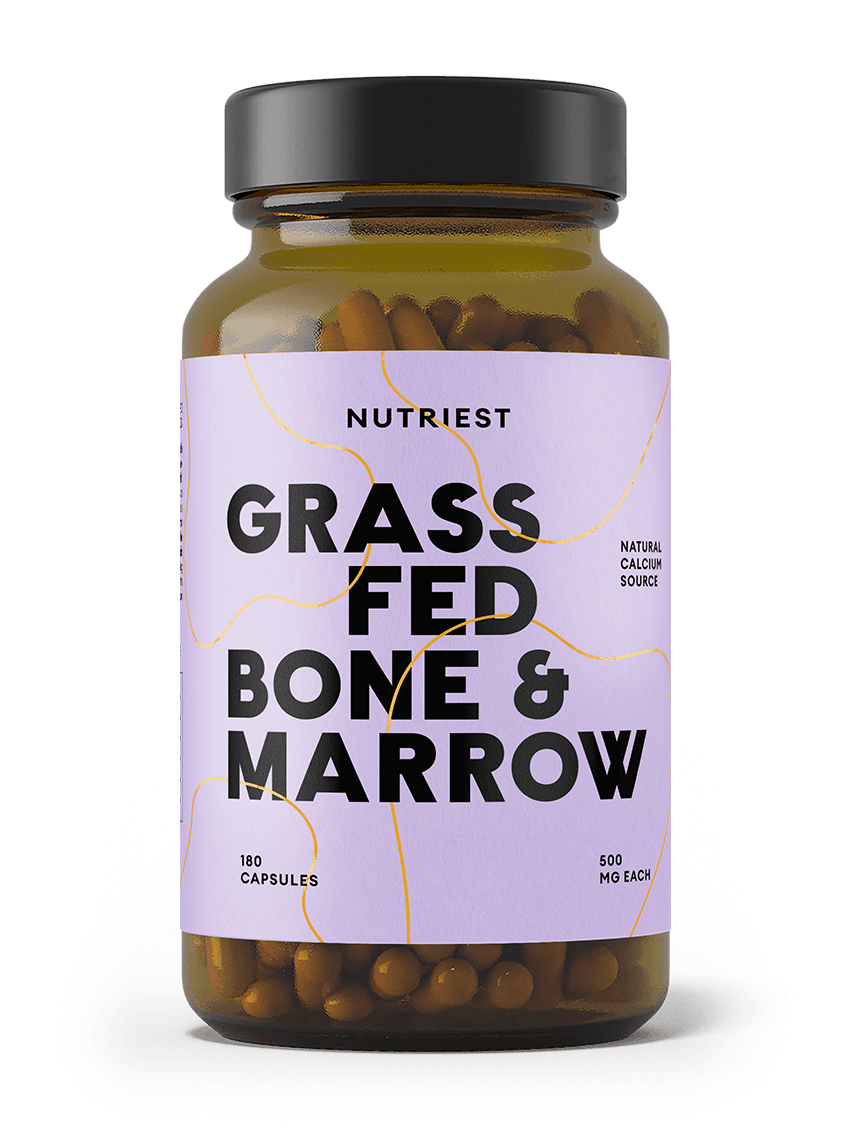
Grass Fed Bone & Marrow Supplement
Beef bone and marrow in capsule form. Nutriest describes the source as grass-fed.
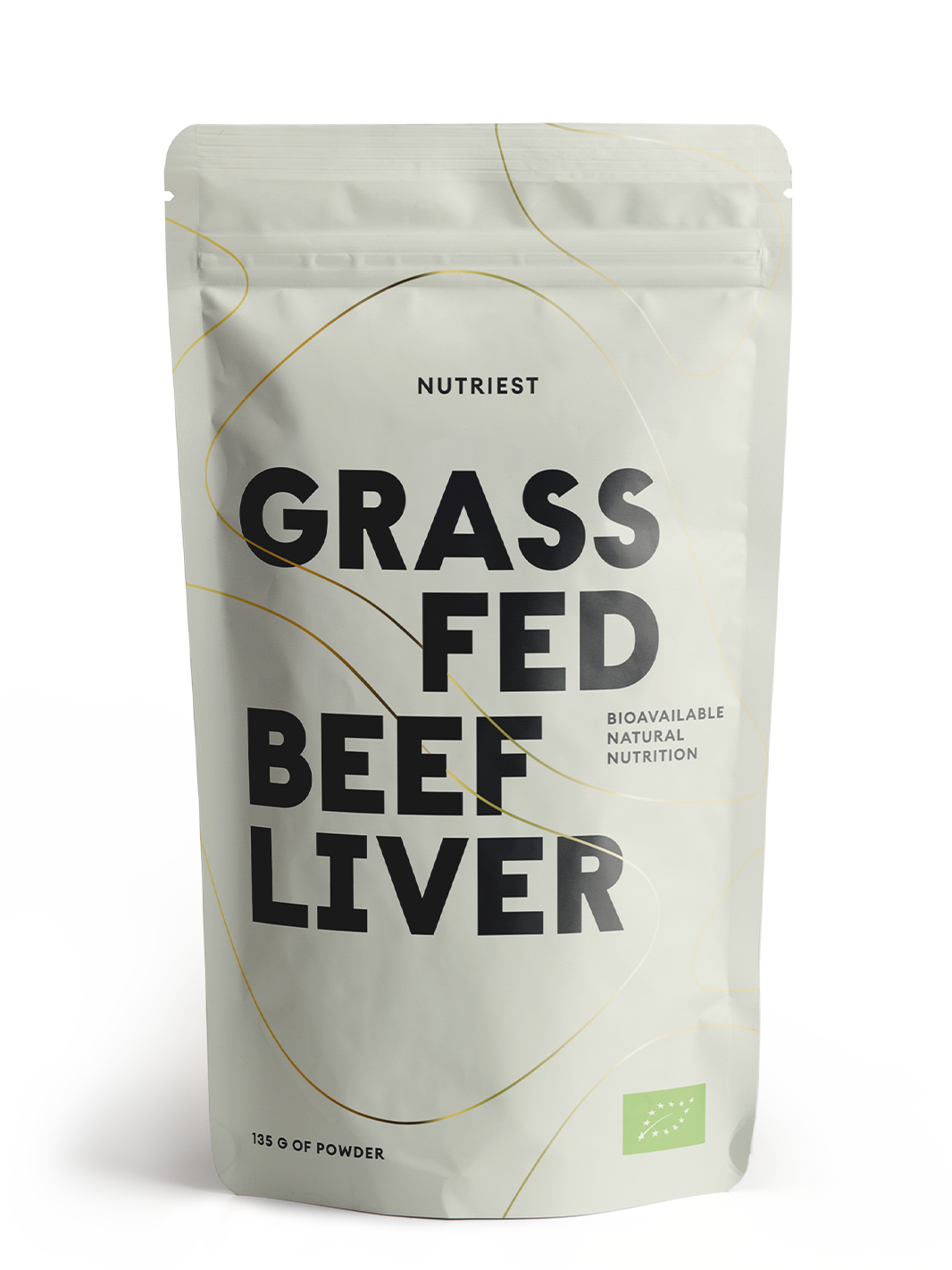
Organic Grass Fed Desiccated Beef Liver Powder
Desiccated beef liver in powder form. Nutriest describes the cattle as grass-fed; according to Nutriest, it is made using organically sourced ingredients.
Get new articles by email
Occasional emails when a new article is published. No spam, unsubscribe any time.
Thinking about trying one?
Compare the products we feature and read what the manufacturer states about each. Check with your doctor first if you are pregnant, take medication or have a health condition.
View products