Grass-Fed and Organic: How to Read Sourcing Claims
You are what you eat — and the same is true for the animals your supplements come from. How to read sourcing claims before you buy.
Affiliate disclosure: We may earn a commission if you purchase through links in this article. This helps support Primal Journal. Learn more

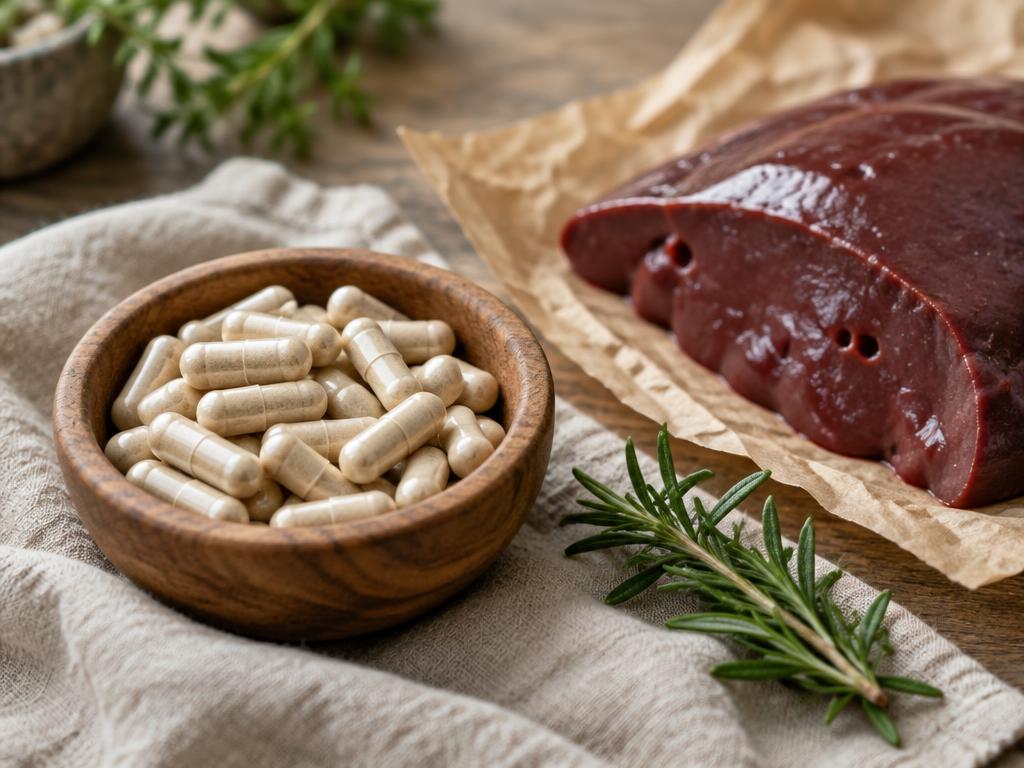
An organ supplement is only as good as the animal it came from. The liver is a filtering organ — which means the quality of the animal's life, diet and environment ends up concentrated in the very product you're taking.
That's why sourcing isn't a marketing detail. It's the whole product.
What grass-fed actually changes
Cattle raised on pasture eat the diet they evolved to eat, and it shows in the nutritional profile: better omega-3 to omega-6 balance, more fat-soluble vitamins, and higher levels of antioxidants like vitamin E.
Certified organic farming rules limit synthetic pesticides, hormones and routine antibiotics. Some brands publish their certificates — check that the date is current, and remember that organic status describes farming, not whether a supplement works.
Trust, but verify
Many brands say they freeze-dry and test their products; fewer publish the results. Ask for the certificate or lab report, check that it is current, and be sceptical of any label that won't back its claims.
Products mentioned
Related products from Nutriest. Descriptions are based on the manufacturer's own statements.
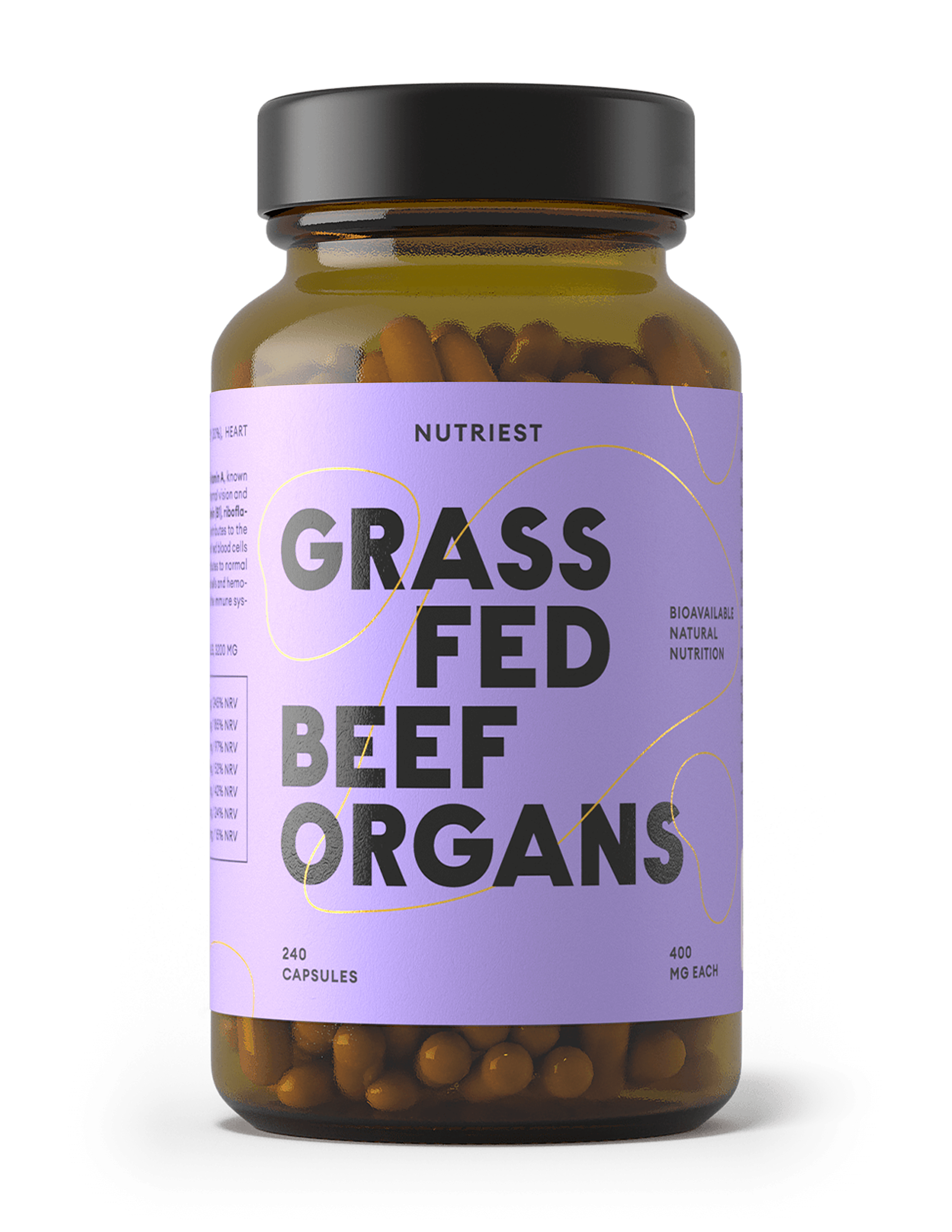
Grass Fed Desiccated Beef Organ Complex Supplement
A blend of desiccated beef organs. Nutriest describes the cattle as grass-fed; according to Nutriest, it is made using organically sourced ingredients.
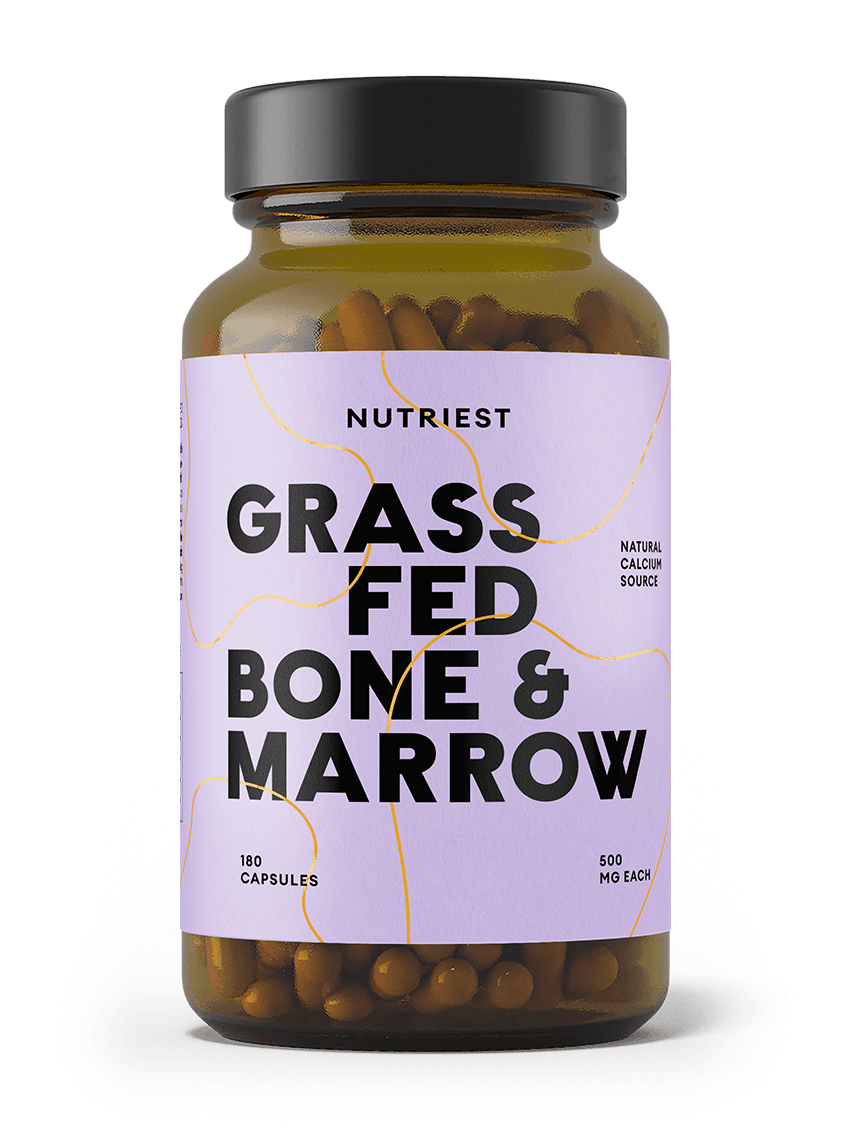
Grass Fed Bone & Marrow Supplement
Beef bone and marrow in capsule form. Nutriest describes the source as grass-fed.
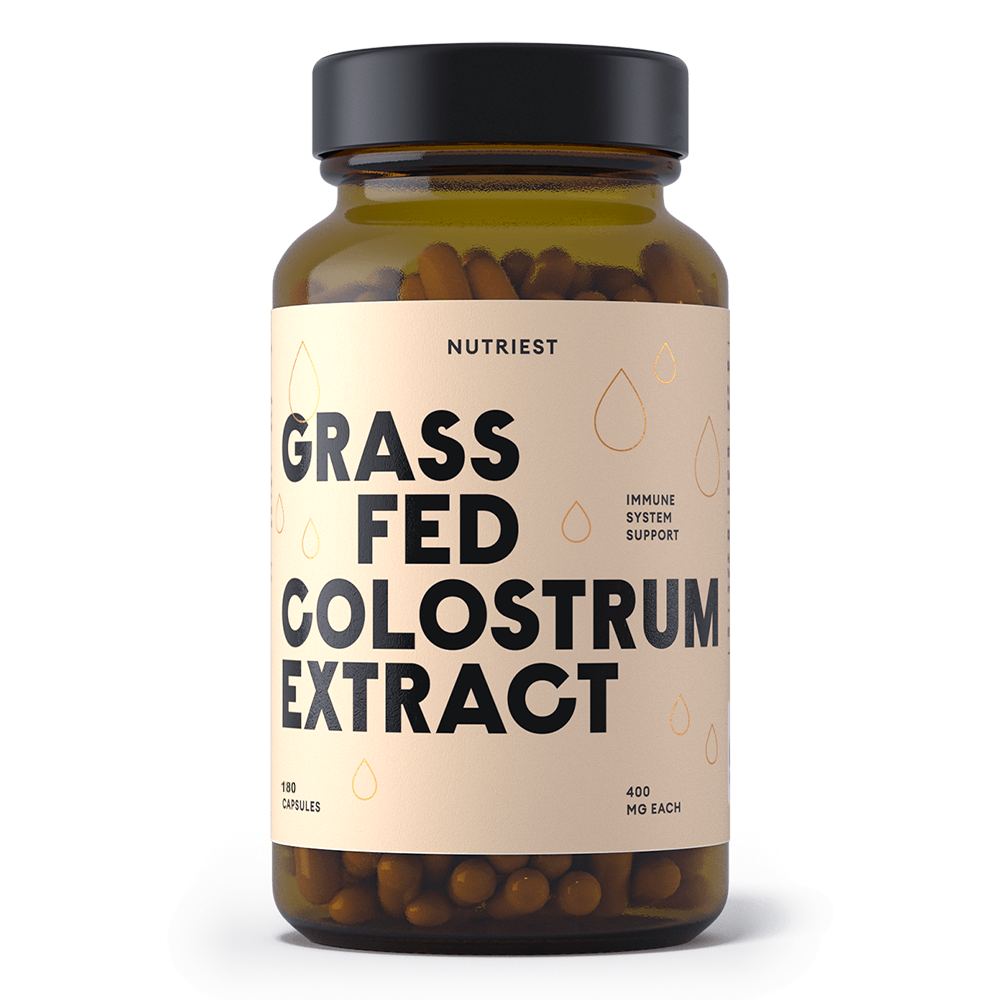
Grass Fed Colostrum Extract
Bovine colostrum extract. Nutriest describes the source as grass-fed.
Get new articles by email
Occasional emails when a new article is published. No spam, unsubscribe any time.
Thinking about trying one?
Compare the products we feature and read what the manufacturer states about each. Check with your doctor first if you are pregnant, take medication or have a health condition.
View products